
A guide to spotting romance fraudsters
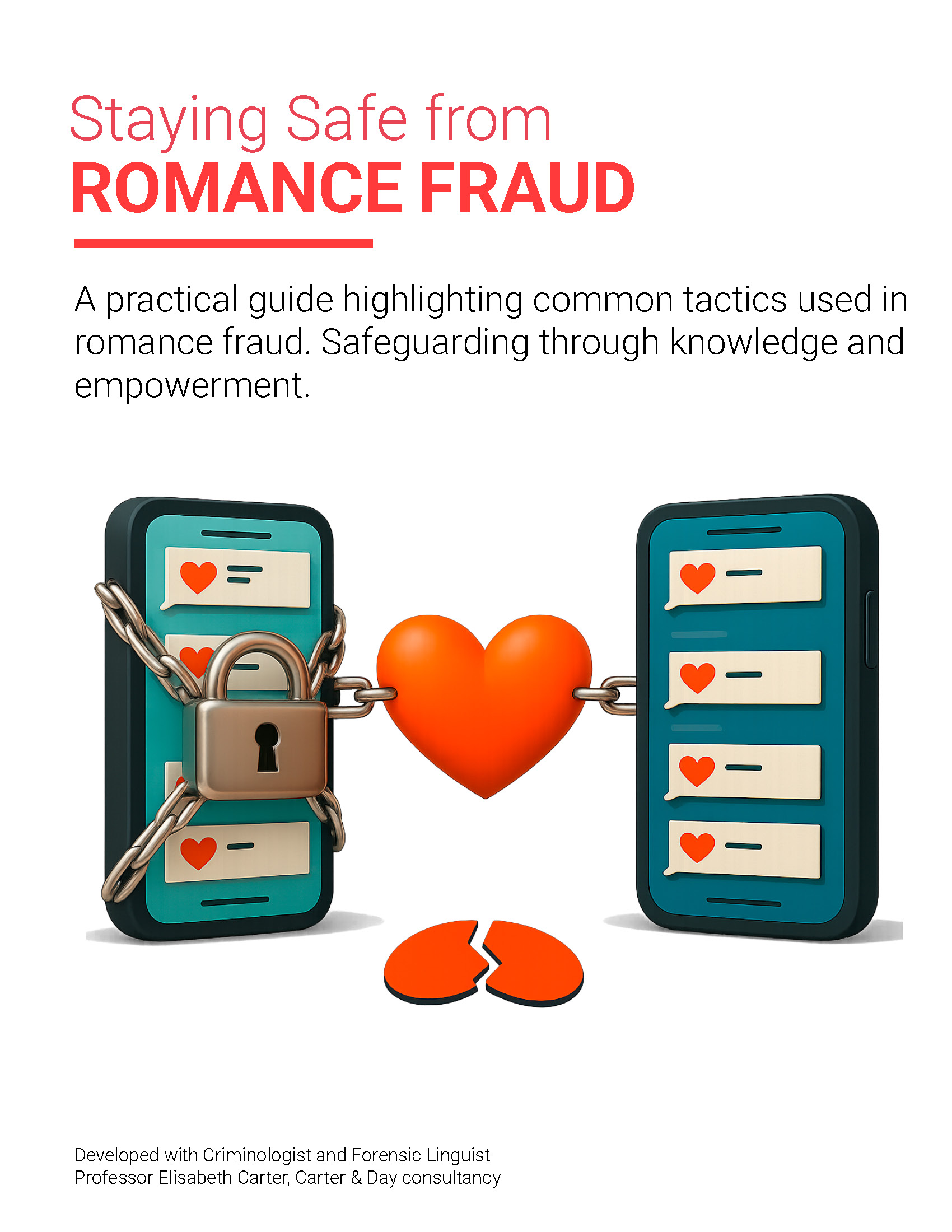
Our Central Fraud Unit has produced a new romance fraud booklet in partnership with Dr Elisabeth Carter, Associate of Professor of Criminology and Forensic Linguist at Kingston University.
This booklet has been created to highlight the sophisticated tactics used by romance fraudsters and to help empower our communities with the knowledge to recognise these methods.
It also aims to challenge the feelings of shame and embarrassment often associated with this type of crime by illustrating its strong links to coercive control.
What is a romance fraud?
Romance fraud occurs when someone believes they have met an ideal partner through an online dating site, social media, or app- but the other person is using a fake identity to build a relationship. Their goal is to gain trust and then request money or gather enough personal information to steal their identity.
How does it happen?
Romance fraudsters are highly skilled manipulators. They invest considerable time and effort into creating a false reality in which victims feel they are making sensible, rational decisions.
For family and friends, it can be extremely challenging to break through this false reality and help the victim see the situation for what it truly is - a fraud.
Find more advice about romance fraud.
View Dr Carter’s complete academic paper - Which informed the development of the booklet. The paper is free to access.
Have you been a victim of romance fraud?
If you believe you have been targeted by a romance fraud, you are not alone.
Experiencing romance fraud can trigger a wide range of emotions. Many people feel ashamed or blame themselves, and these feelings can make it harder to seek help. It is vital to remember that romance fraud is never the victim's fault.
To support you, we have developed a help pack offering guidance, reassurance, and signposting to further information and specialist services.
You can also follow the Central Fraud Team on 'X' at @TVPCyberFraud
Romance Fraud victim bravely tells her story